
Many of our clients, especially women, ask us about the “hump” at the base of the neck. Most of them aren’t in pain. They simply don’t like how it looks in photos or in the mirror, and they often feel tightness or discomfort across the top of the shoulders. If that sounds like you, here is what’s going on and what can help.
When the head drifts forward and the shoulders roll in for hours a day (looking down at a phone, working on a laptop, driving), the upper back rounds and the base of the neck becomes more prominent. Over time this can look like a small hump where the neck meets the shoulders. You may also hear it called tech neck, text neck or dowager’s hump. The posture pattern behind it is often called forward head posture.
For most people it isn’t painful. The common complaints are the appearance, plus tightness, stiffness and a general discomfort across the upper back, the shoulders and the base of the skull.
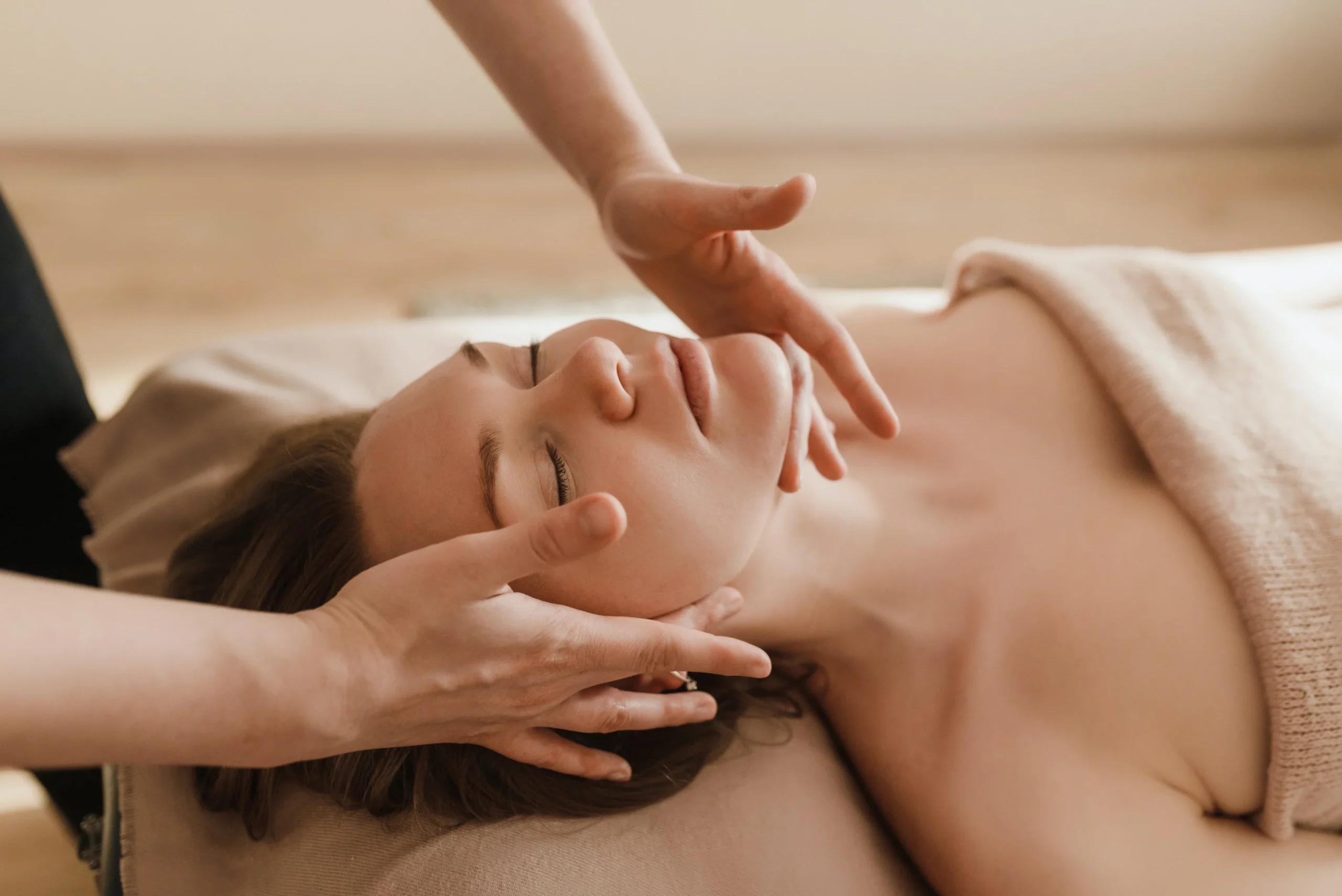
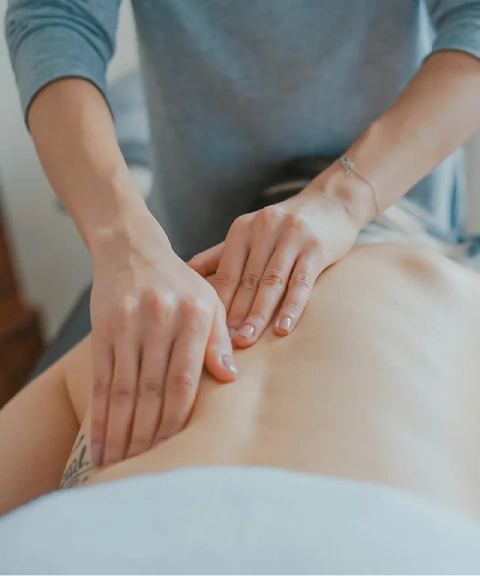
A registered massage therapist (RMT) can release the muscles that pull you into that rounded position: the chest, the front of the shoulders, the upper traps and the small muscles at the base of the skull. When those muscles relax, it is easier to sit and stand taller, and the tightness and discomfort usually ease.
To be honest about it: massage cannot “melt” a hump or change the shape of your bones. The best results come from combining massage with better daily habits and the simple exercises below, done regularly over several weeks. Many people find their posture looks and feels better, and the hump becomes less noticeable as their posture improves.
Move slowly, stay within a comfortable range and stop if anything causes pain.
A hump that appears quickly, keeps growing, or comes with other changes should be checked by your doctor. This includes weight gain in the face or belly, purple stretch marks, high blood pressure, long-term steroid medication use, or (especially for women over 50) a history of bone loss or osteoporosis. These can point to a medical cause that massage won’t fix. Also see your doctor if you have numbness, tingling or weakness in your arms.
Your RMT will look at your posture, ask about your work and phone habits, and focus your session on the chest, shoulders, upper back and neck. We can show you the exercises above so you know you are doing them right. Many clients book a therapeutic massage or deep tissue massage for this. You can also read about massage for neck and shoulder pain.
We are in north-west Edmonton, a short drive from St. Albert, and we direct bill most insurance plans.
Book online or call (587) 414-5777. Open 7 days a week, 9:30 AM to 6 PM.
This article is general information, not medical advice. Please talk to your doctor about any health concerns.